Diet
Chinchillas are herbivorous generalists, meaning
they consume a wide variety of plant materials depending on seasonal
availability. In the wild, they primarily eat shrub leaves, herbs,
grasses, and occasionally dried plant matter. Their diet is
rich in fiber, which helps maintain their sensitive digestive systems.
Chinchillas prefer dead and dried leaves over fresh ones and
rarely consume seeds or pods.
🐾 Chinchilla Diet Guide:
What to Feed Your Furry Friend
Chinchillas are adorable, energetic pets with very specific
dietary needs. Native to the Andes Mountains, their digestive systems are built
for a high-fiber, low-fat diet. Feeding them properly is key to keeping them
healthy and happy.
🌿 The Basics: Hay is
Essential
The foundation of a chinchilla�s diet is high-quality hay,
especially timothy hay. It provides the fiber needed for proper
digestion and dental health. Always keep fresh hay available�chinchillas
love to nibble throughout the day.
🥣 Pellets: Balanced
Nutrition
Choose chinchilla-specific pellets that are:
- High
in fiber (at least 18%)
- Low in
fat and sugar
- Free
from added fruits, seeds, or colored bits
Feed about 1�2 tablespoons daily. Overfeeding pellets
can lead to obesity and digestive issues.
💧 Fresh Water Daily
Provide clean, fresh water in a sipper bottle to
prevent contamination. Check and refill it daily, and
clean the bottle regularly to avoid bacterial buildup.
🍬 Treats: Occasional and
Safe
Treats should be rare and healthy. Good options include:
- Dried
rose hips
- Unsweetened
shredded wheat
- Dried
herbs like chamomile or dandelion
Avoid sugary fruits, nuts, seeds, and commercial treats not
made for chinchillas.
🚫 Foods to Avoid
Some foods are dangerous for chinchillas. Never feed:
- Fresh
fruits or vegetables (can cause bloating)
- Nuts
and seeds (too fatty)
- Dairy
products
- Human
snacks (chips, candy, bread)
🦷 Dental Health
Chinchillas� teeth grow continuously. Provide chew toys, wood blocks, or pumice stones to help wear them down naturally.
Mating
Gestational Period
Chinchillas have a notably long gestation period compared to
other small mammals. The average pregnancy lasts 111 days, though
it can range from 105 to 115 days depending on individual
health and environmental factors.
Litter Size
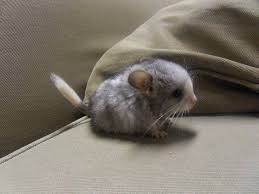
Chinchillas typically give birth to 1 to 2 offspring,
known as kits, per litter. However, litter sizes can vary, with some females
producing up to 6 kits in rare cases. Most chinchillas
have 2 litters per year.
Parental Care Duration
Newborn chinchillas are born fully furred and with their eyes open, making them relatively mature at birth. Kits usually stay with their mother for 8 to 12 weeks, during which they nurse and begin to explore their environment. Male kits should be separated at around 8 weeks to prevent early breeding, while female kits can remain with the mother if they are compatible.